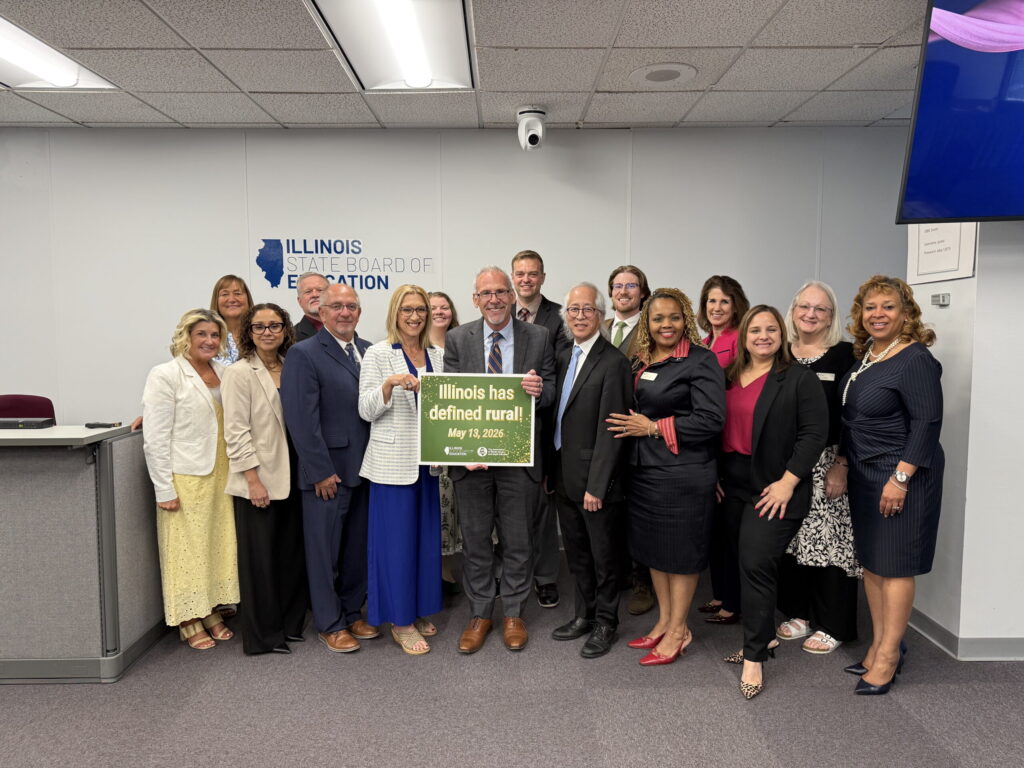
Illinois State Board of Education Votes to Adopt Rural Definition
By implementing a standard rural definition, AIRSS, the REAC, ISBE, lawmakers, and advocates can better inform education policy to fairly consider rural schools.
National Rural Education Association


By implementing a standard rural definition, AIRSS, the REAC, ISBE, lawmakers, and advocates can better inform education policy to fairly consider rural schools.
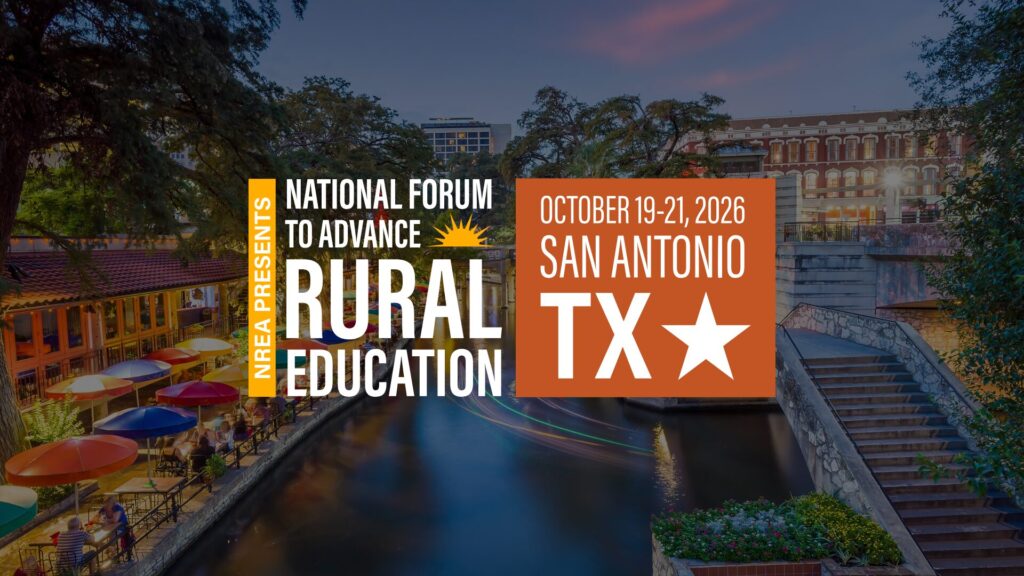
NFARE is the nation’s premier event dedicated to elevating rural voices and advancing opportunity across rural communities.

Learn more and submit by June 19.
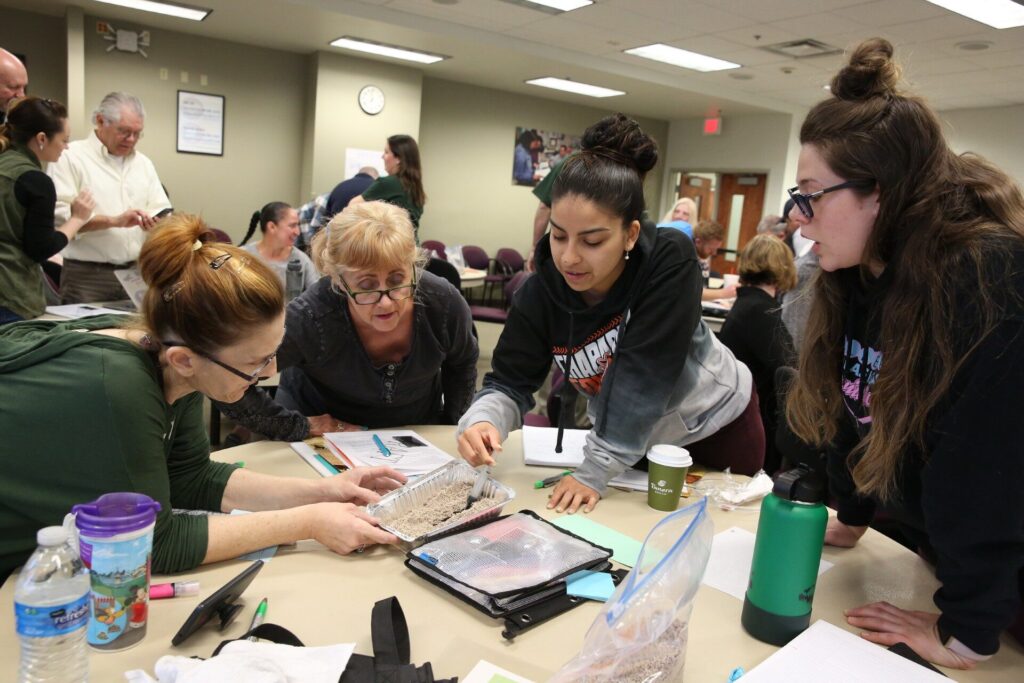
New collaboration will bring free, high-quality life science resources and professional learning to rural educators across the country.

Submit by May 31, 2026. Sponsored by Edmentum. Flexible Learning Paths. Proven Outcomes. Future-Ready Students.
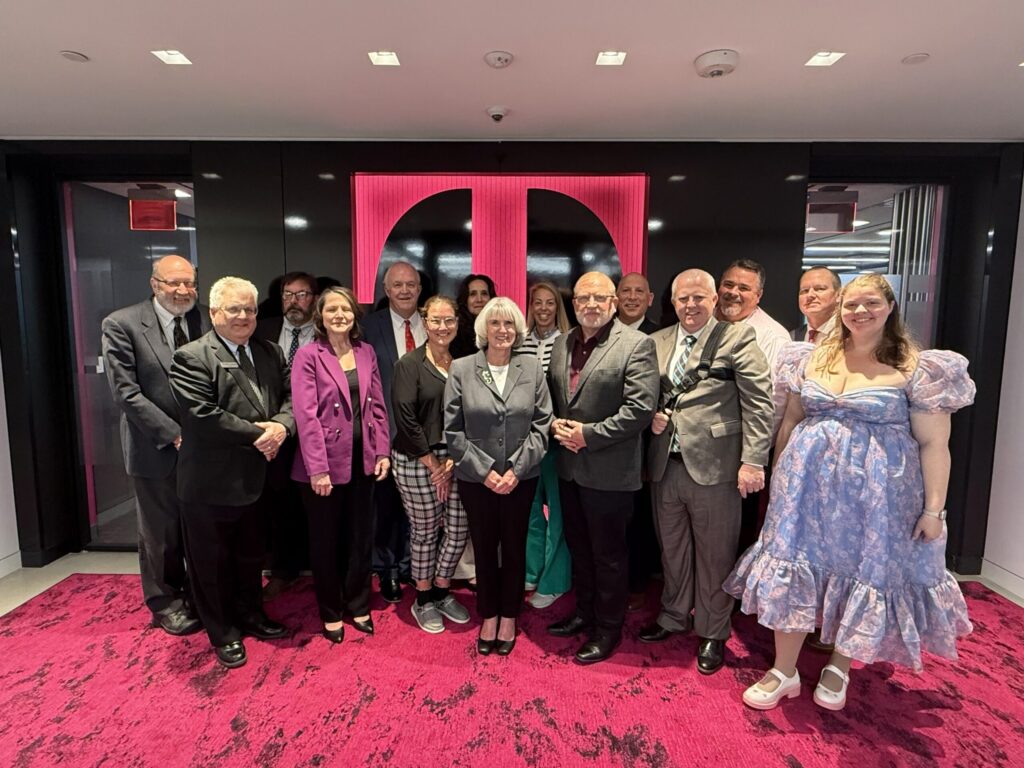
Over 20 advocates journeyed to Washington and visited 60+ congressional offices to speak on rural issues.

Together, NREA and SchoolSims will explore how scenario-based, simulation-driven learning can expand access to those experiences—allowing teachers and leaders to engage realistic challenges, consider multiple perspectives, and reflect on decisions in a structured and supportive environment.
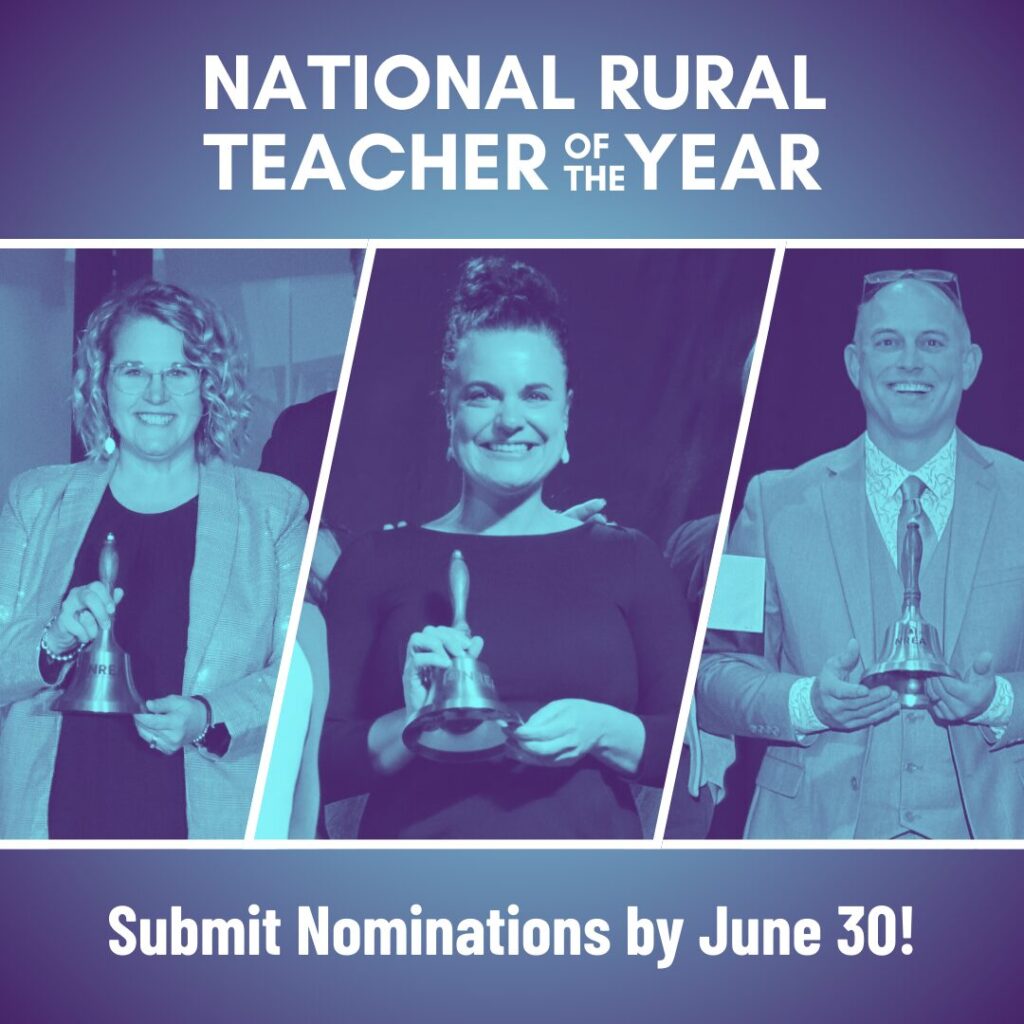
It’s that time of year again – the 2026 Nomination Form for the National Rural Teacher of the Year is open now! Submit your nomination by June 30.