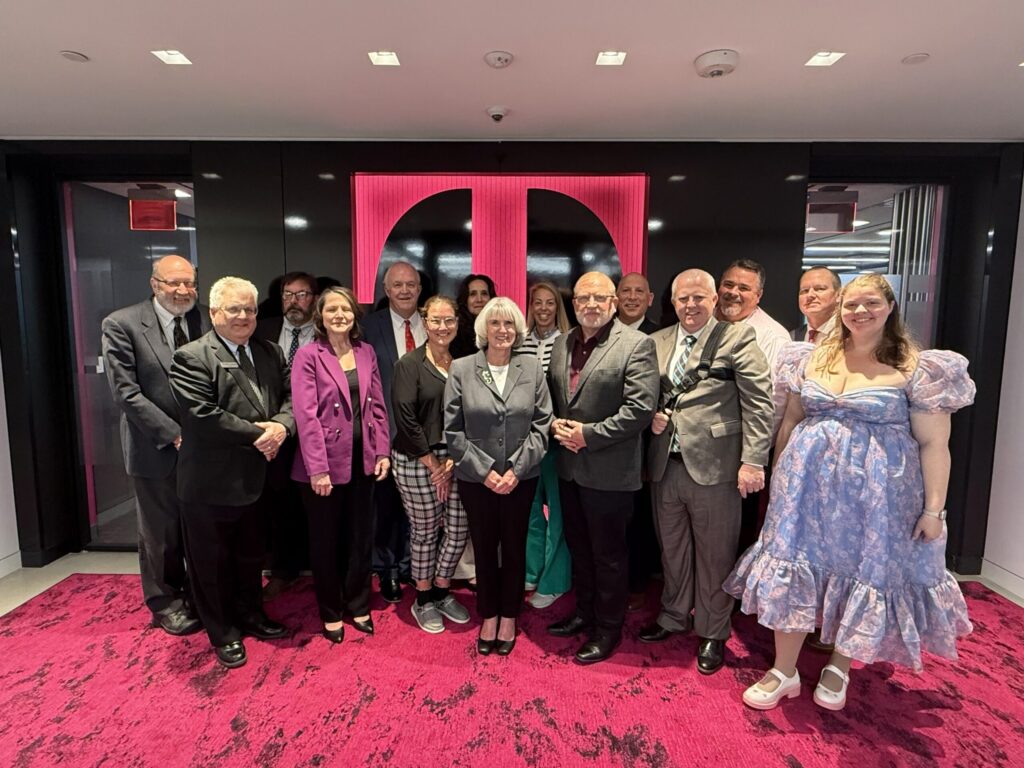
NREA Celebrates a Successful Hill Day 2026
Each year, NREA affiliates join together for Hill Day in Washington, DC, to advocate for the issues impacting rural communities. […]
National Rural Education Association


Each year, NREA affiliates join together for Hill Day in Washington, DC, to advocate for the issues impacting rural communities. […]

Together, NREA and SchoolSims will explore how scenario-based, simulation-driven learning can expand access to those experiences—allowing teachers and leaders to engage realistic challenges, consider multiple perspectives, and reflect on decisions in a structured and supportive environment.
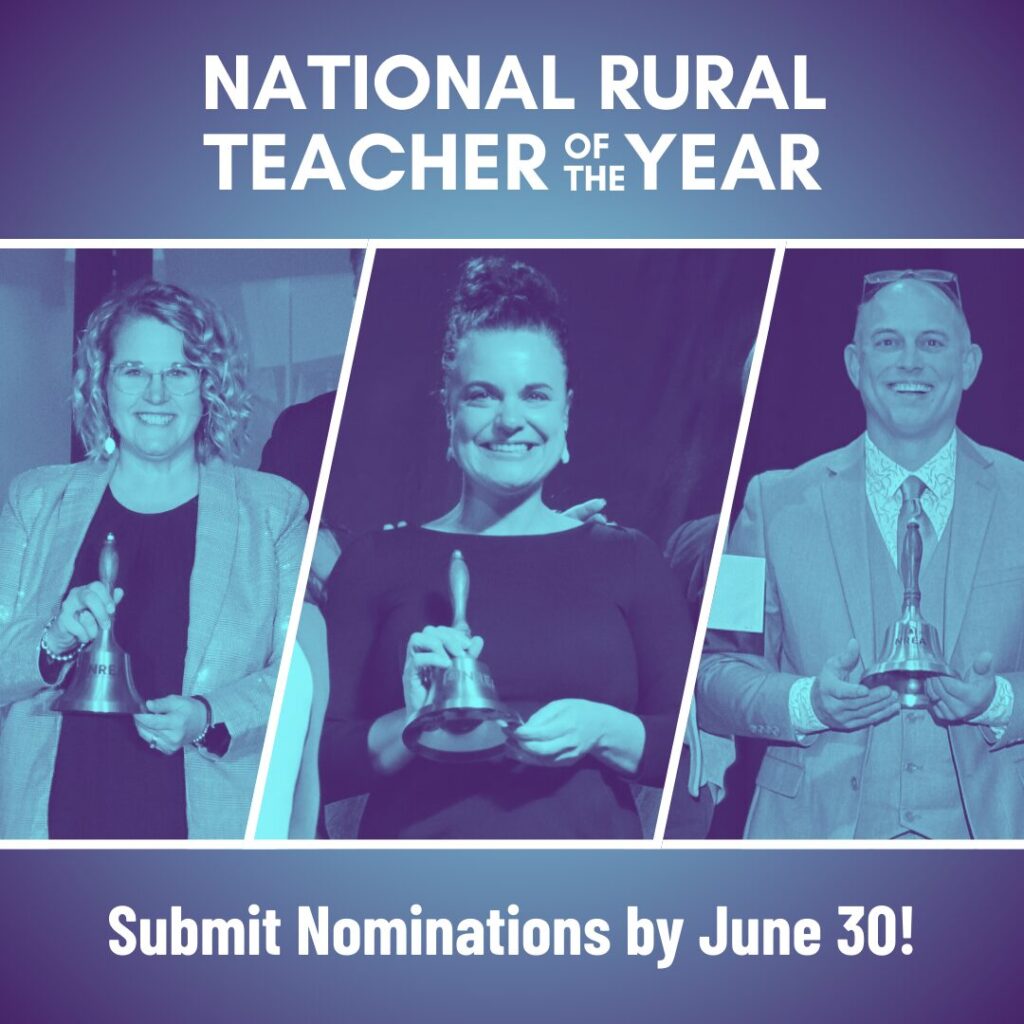
It’s that time of year again – the 2026 Nomination Form for the National Rural Teacher of the Year is open now! Submit your nomination by June 30.

Rural districts are not small versions of big systems. They are different systems with different constraints and different strengths. This
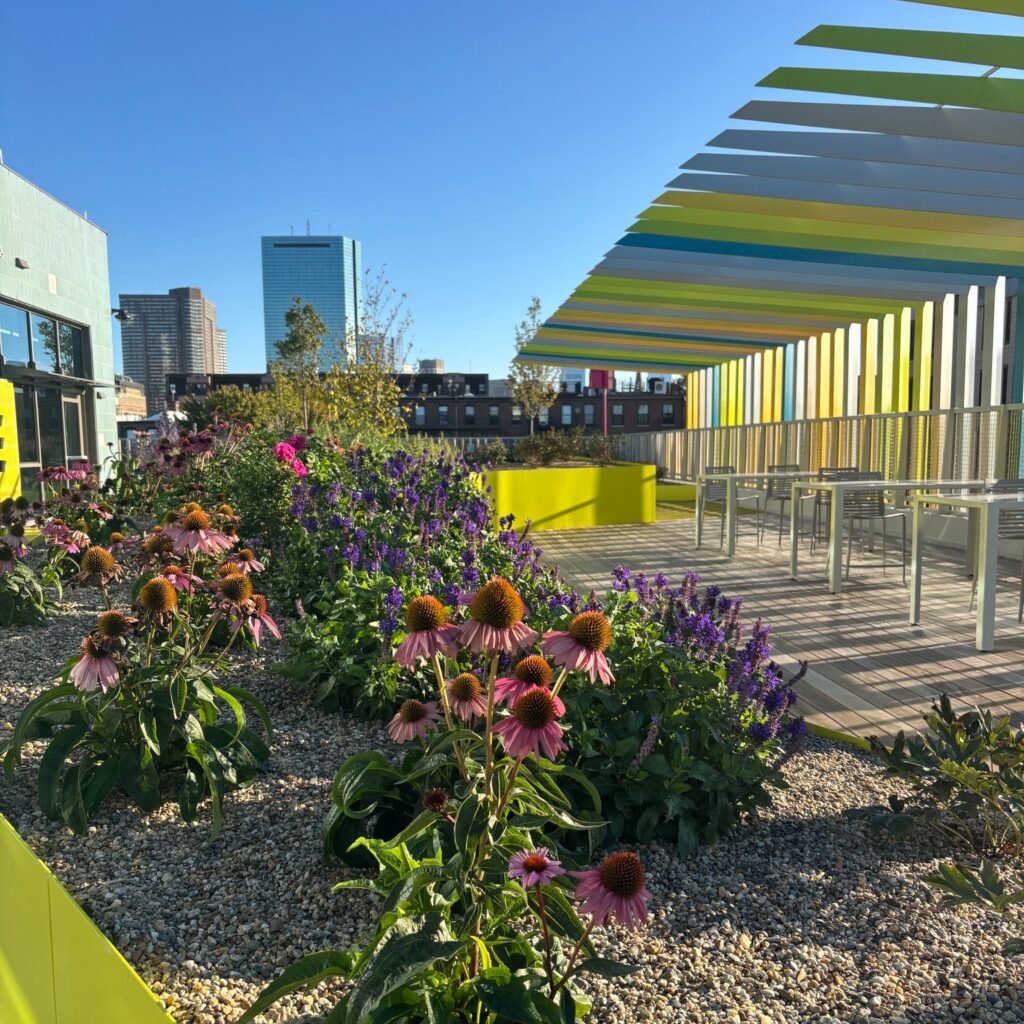
The National Rural Education Association (NREA) is proud to announce a new Strategic Partnership with The Go Green Initiative (GGI). This partnership will assist rural schools across the country in fostering safer, healthier learning environments for their students.

This partnership underscores NREA’s commitment to student health, safety, and success across the country.

The National Rural Education Association is pleased to announce four new members of the NREA Executive Board, who will begin their term on January 1, 2026.