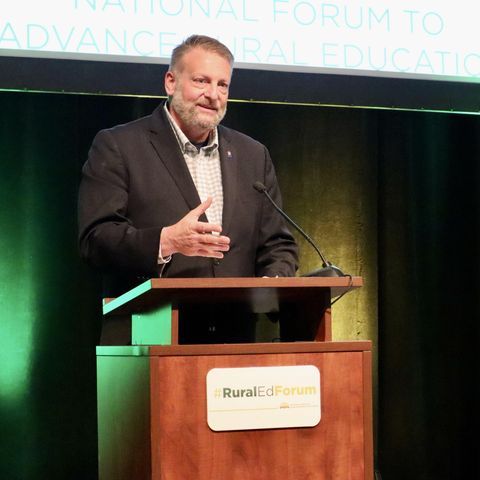
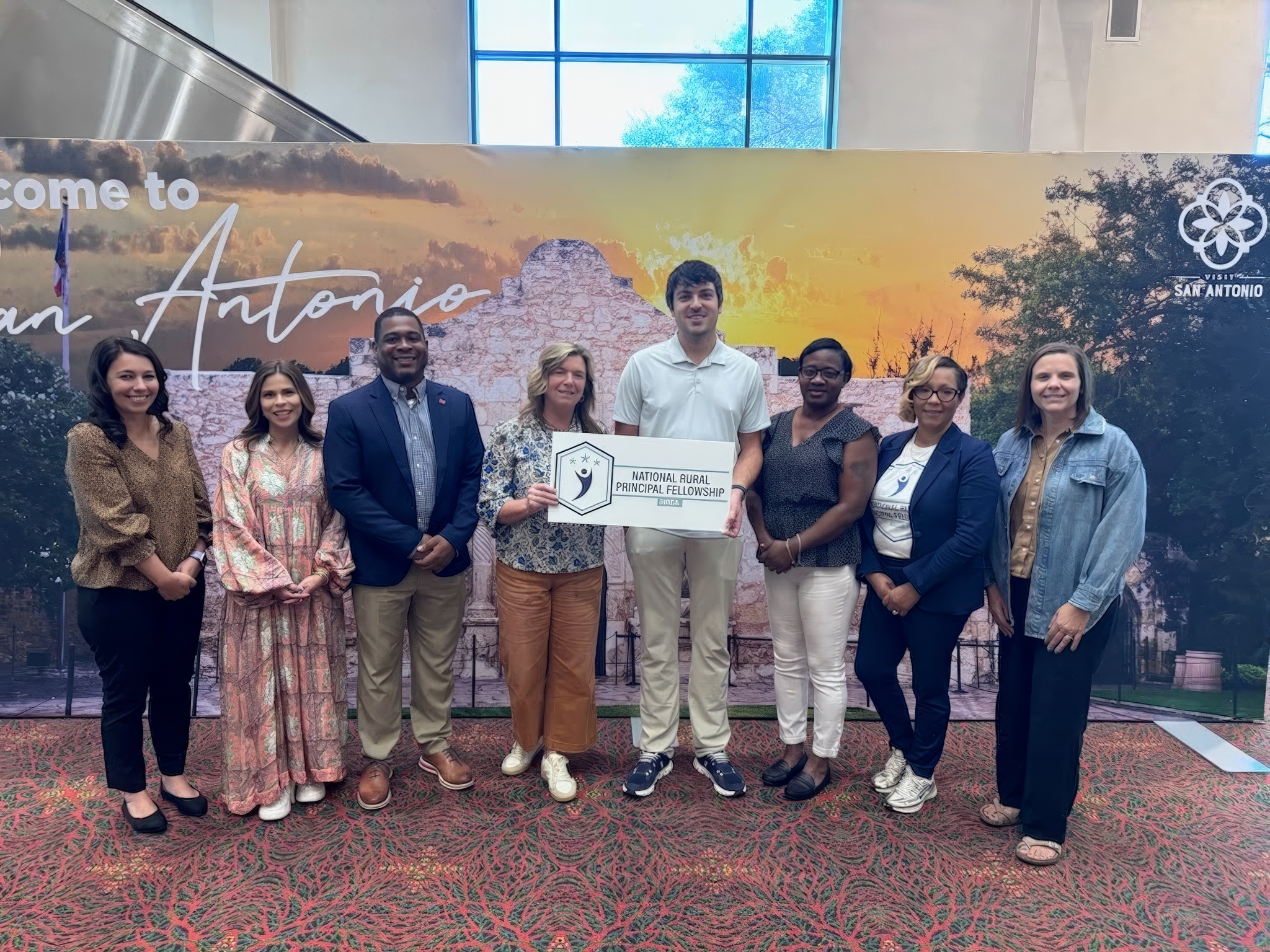
The National Rural Principal Fellowship officially launched at the 2026 National Forum to Advance Rural Education!
This new program brings together rural principals with strong potential to create, build upon, and accelerate growth in leadership. Fellows meet five times over the course of the Fellowship: two face to face sessions (during NFARE), and three virtual sessions throughout the year.
Meet the outstanding rural administrators joining our inaugural cohort, and learn more about their goals for the year.
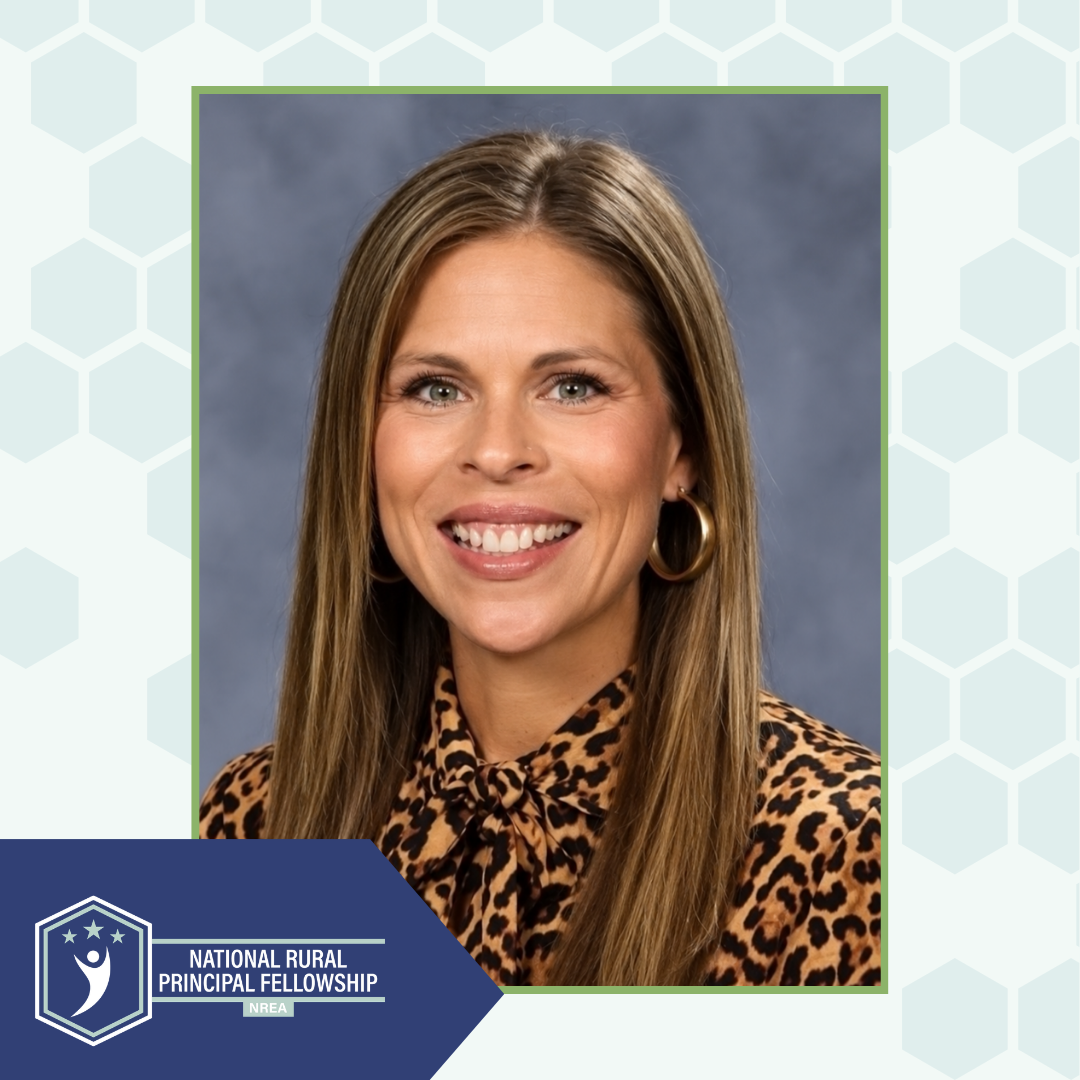
Whitney Alexander is the Assistant Principal at Newton County Elementary School in Decatur, Mississippi. Her connection to the district is deeply personal: she attended Newton County schools from kindergarten through high school graduation, later returning as an educator, instructional coach, and now school administrator. Having experienced rural education as a student, teacher, and leader, Whitney possesses an authentic understanding of the cultural strengths and systemic challenges of her school community.
Instructionally, Whitney specializes in turning educational research and data into actionable classroom strategies. This year, her focus is on strengthening Tier I instruction through structured teacher collaboration and job-embedded professional development. She is also spearheading community-wide student exhibitions that welcome families into classrooms to celebrate student work. In her administrative practice, Whitney is actively tackling rural teacher retention by building sustainable coaching systems for early-career educators and balancing rigorous accountability with compassionate mentorship.
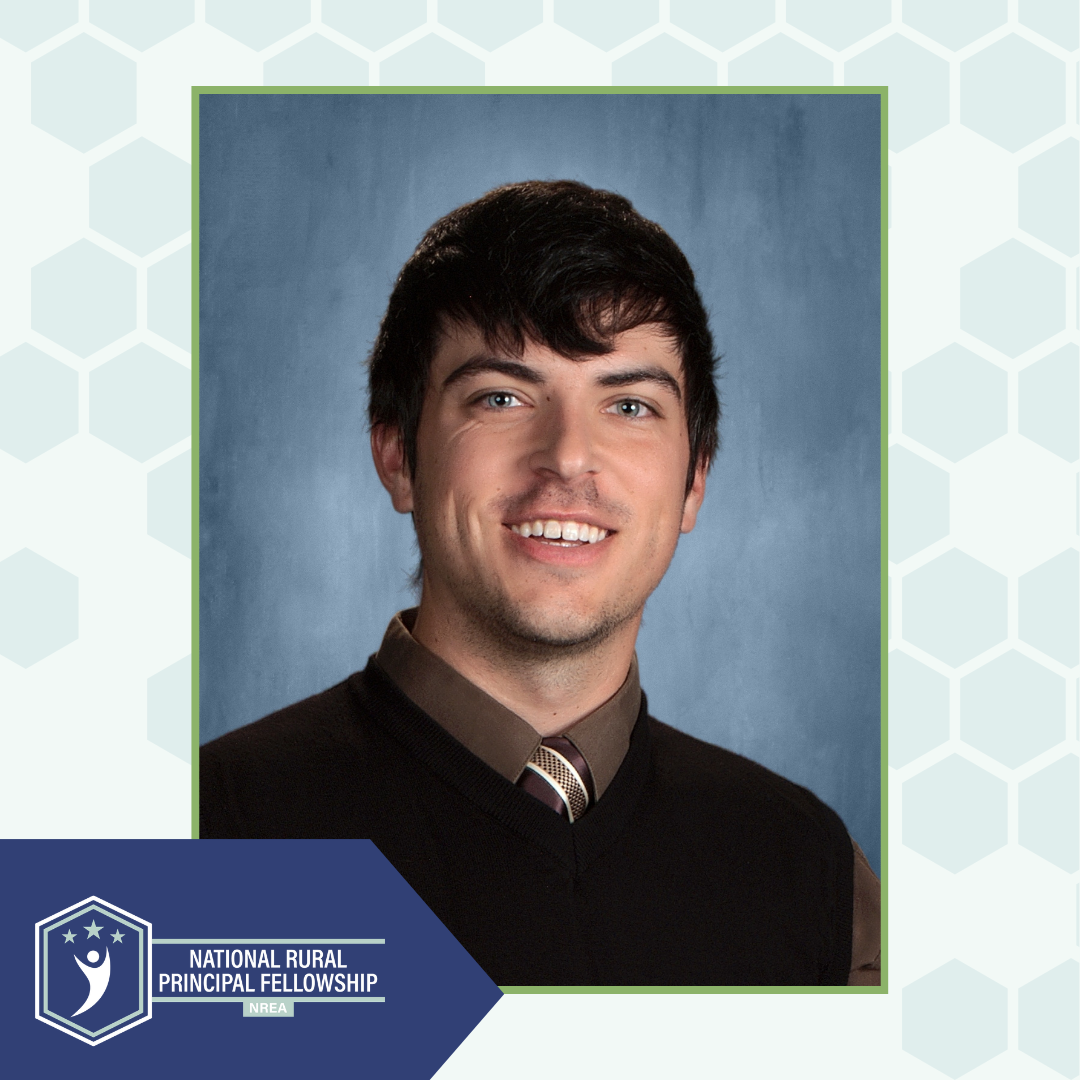
Tommy Baldwin serves as Superintendent and Principal of Richey Schools, serving kindergarten through 12th-grade students in eastern Montana. A fourth-generation resident of Richey, Tommy brings a profound personal and professional dedication to his hometown district. His career reflects a rich blend of lived rural experience, classroom instruction, and district-level governance, making him an authentic and passionate champion for small, close-knit school communities.
This school year, Tommy is spearheading a district-wide initiative to elevate school culture by establishing transparent, shared expectations centered on professionalism, accountability, mutual respect, and Richey Royal pride. Facing the distinctive economic realities of rural Montana—such as shifting student enrollment, soaring operational costs, and tight budgets—Tommy prioritizes transparent community partnerships to build public trust ahead of critical future facility investments. He is also passionate about integrating practical educational technology into rural classrooms to expand learning horizons beyond local geographic borders.
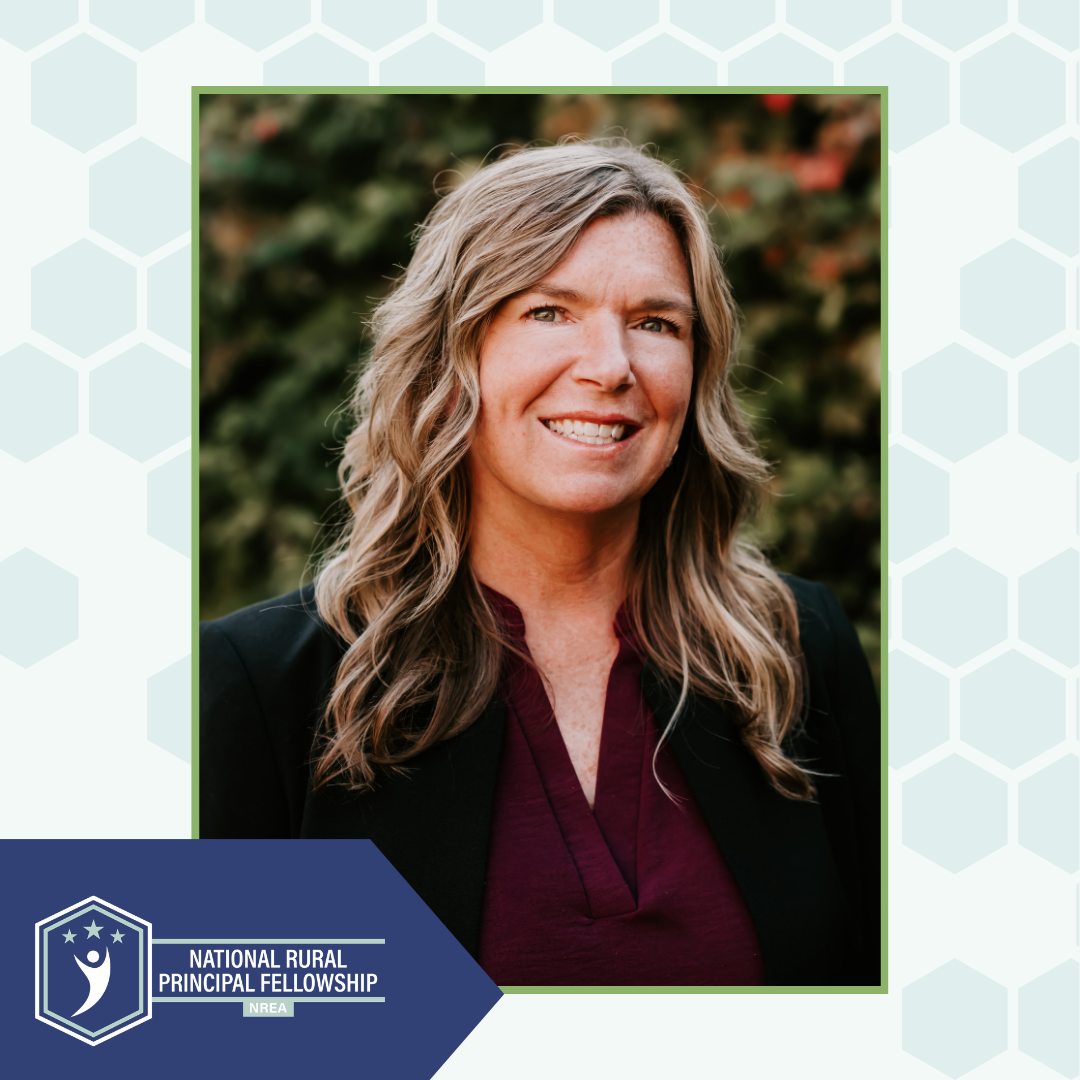
Tiffany Clapsaddle is the Principal of Hayesville Middle School in Clay County, North Carolina. Operating with the firm belief that rural geography should serve as an impetus for innovation rather than a limitation, Tiffany has led substantial academic growth while intentionally cultivating a school climate rooted in trust, belonging, and high expectations.
Her current leadership initiatives focus on transitioning Hayesville Middle from a collection of standalone support programs into a cohesive, personalized learning system. She is advancing Tier I instruction through competency-based proficiency scales and robust Multi-Tiered System of Supports (MTSS) protocols. Concurrently, Tiffany is expanding career-connected and global learning partnerships, ensuring that students in geographically isolated mountain communities have direct access to modern technological tools and professional pathways. A central leadership priority for Tiffany is building lasting staff capacity so that instructional transformation becomes an enduring part of the school culture.
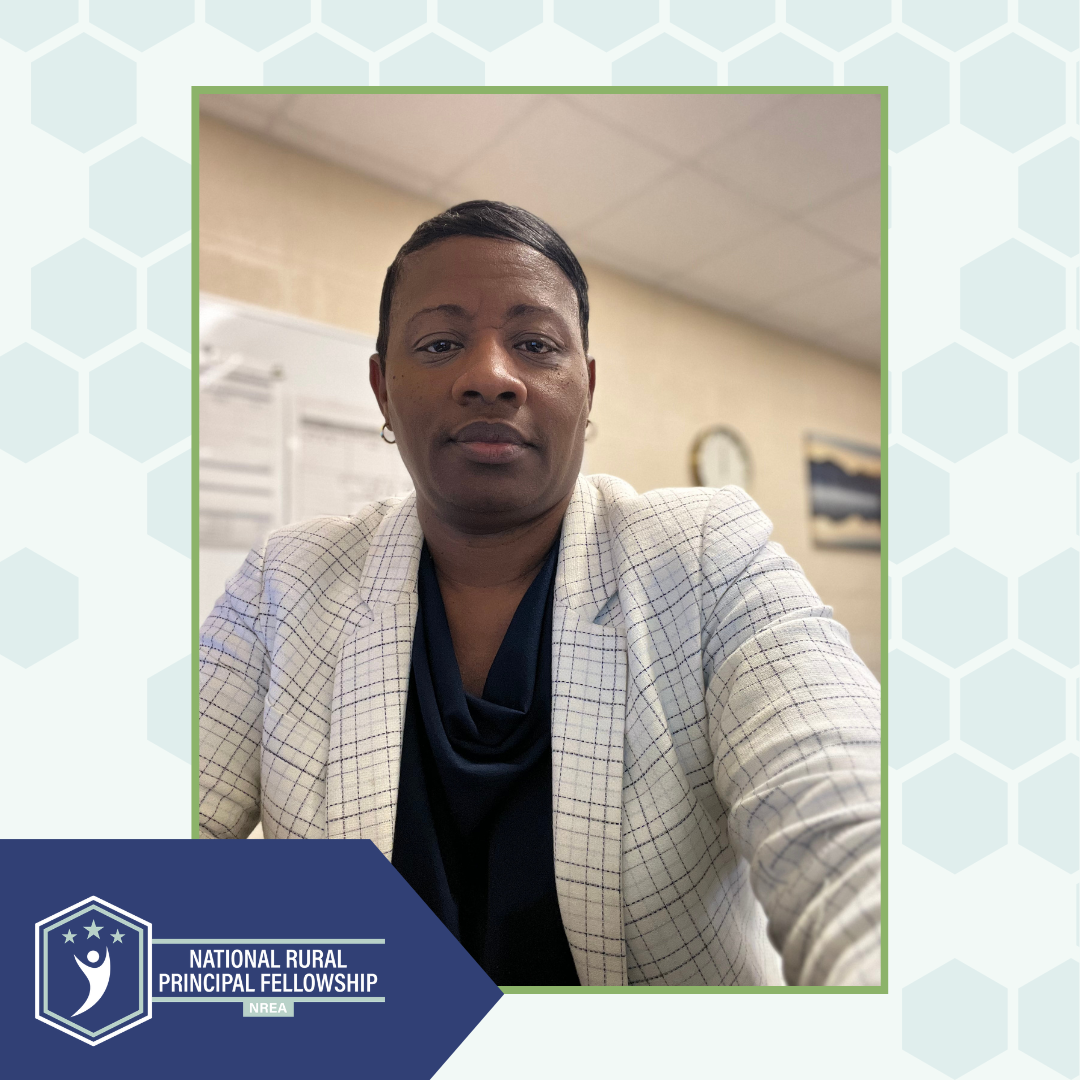
Dionka Jackson is the Principal of Jasper County Middle School in Monticello, Georgia. A lifelong rural educator, Dionka’s journey has spanned nearly every facet of the school ecosystem—from paraprofessional and classroom teacher to instructional coach, assistant principal, and head administrator—all within rural school settings. These diverse vantage points have grounded her leadership philosophy in deep empathy, integrity, and servant leadership, anchored by the conviction that every student, teacher, and staff member possesses the capacity to grow and lead.
This school year, Dionka is intentionally focused on enriching school culture and climate by ensuring that students, families, and staff feel genuinely valued and supported. Her academic priorities include driving measurable student growth in literacy and science through intentional, data-driven decision-making and job-embedded instructional coaching. To counteract the funding and resource constraints common to rural districts, Dionka actively builds strong civic and business partnerships while developing shared leadership models that empower teacher leaders from within.
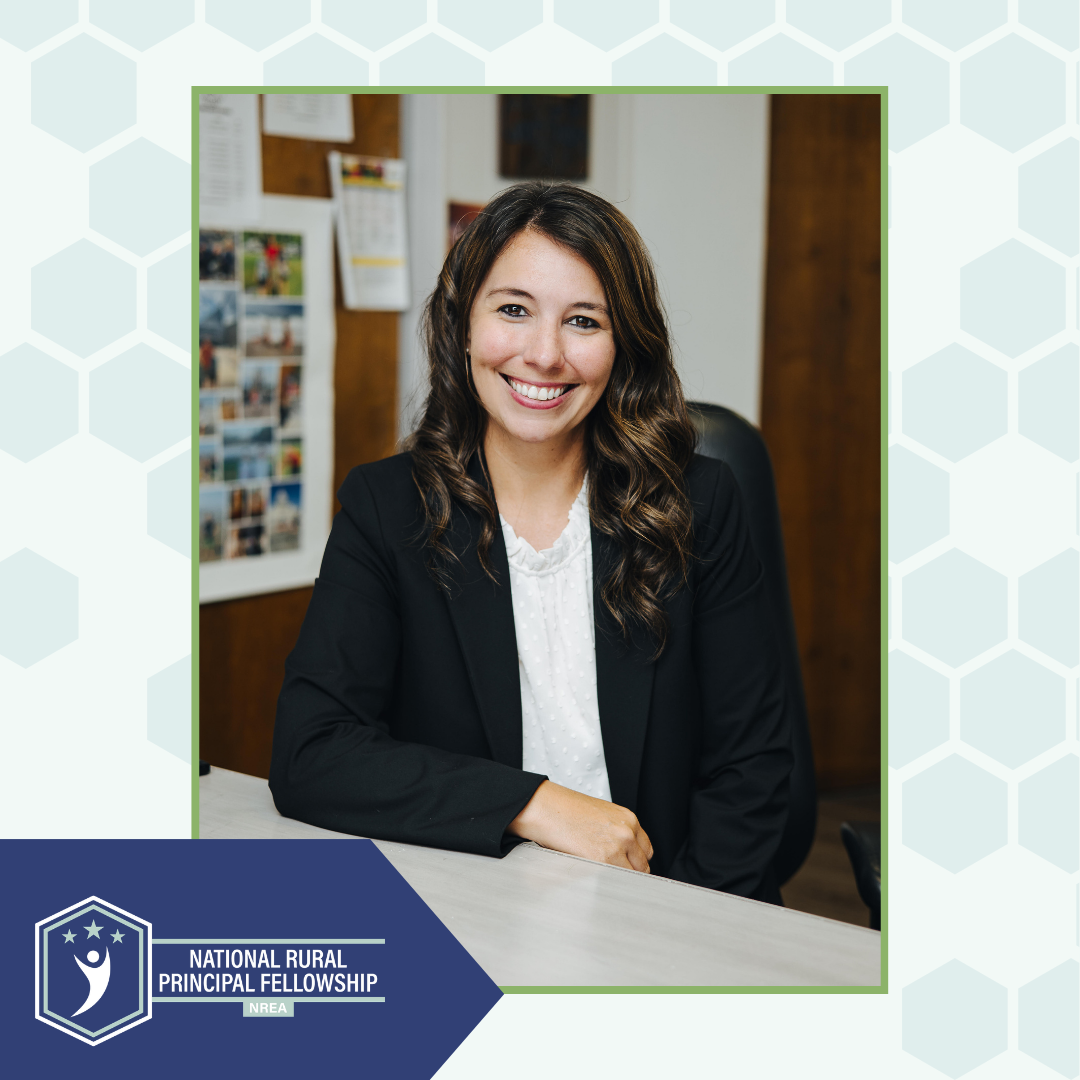
Katie Kaylor is the Principal of East McDowell Middle School in Marion, North Carolina. Nominated to the National Rural Principal Fellowship for her collaborative leadership and dedication to systemic school improvement, Katie specializes in maximizing community resources to enrich student learning. She views rural schools as the vital heartbeat of their communities and is passionate about ensuring small-town students receive an education that prepares them for modern global opportunities.
This year, Katie is leading comprehensive efforts to ease the pivotal transitions from elementary to middle school and middle to high school. Her priorities include addressing chronic absenteeism through empathetic family partnerships, strengthening positive school culture, and supporting the behavioral and emotional development of adolescent learners. Instructionally, Katie is focused on deepening Professional Learning Communities (PLCs) to ensure that single-subject and single-grade teachers have robust peer collaboration networks despite the smaller staffing footprints typical of rural schools.
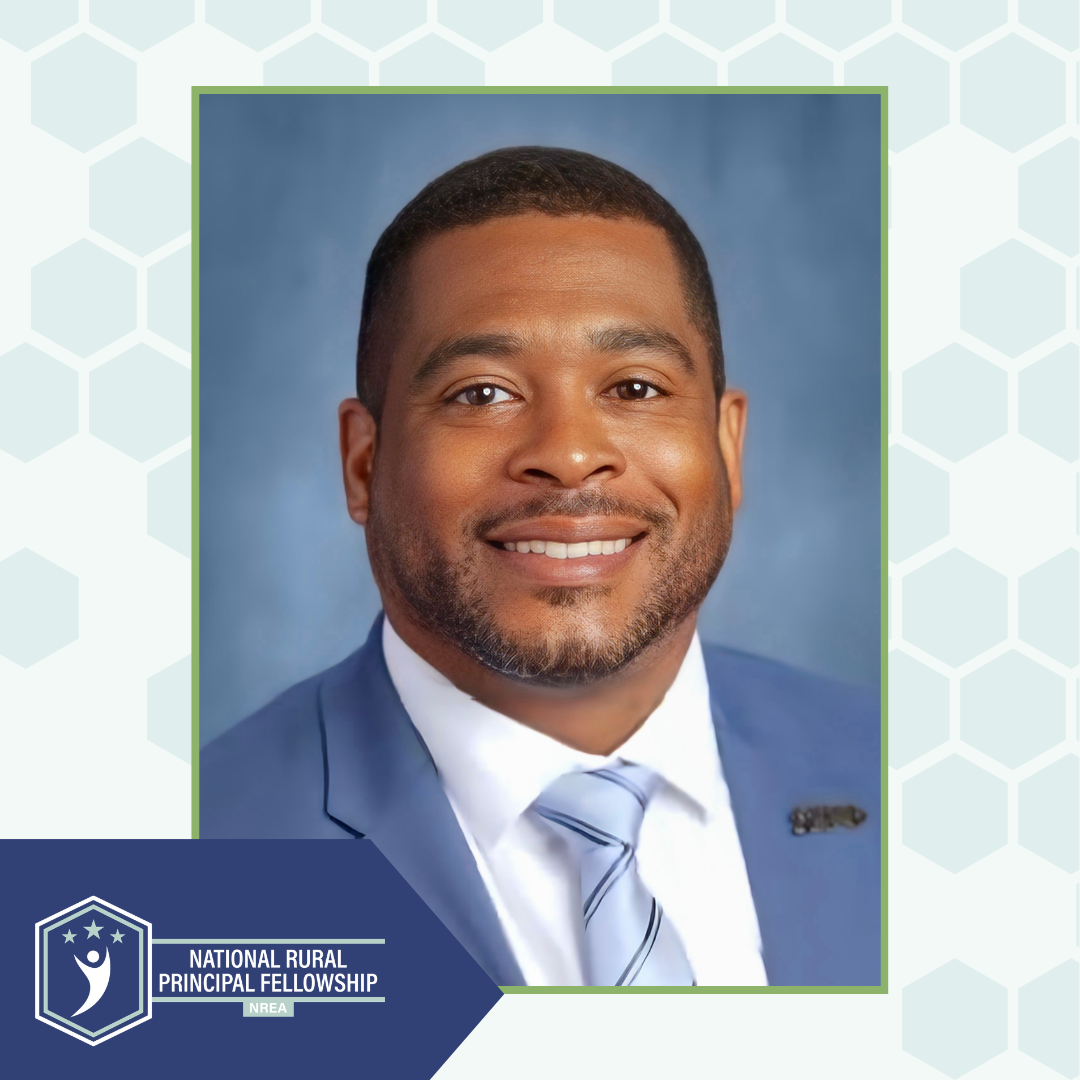
Travis Terry serves as the Principal of Calhoun County Middle School in Edison, Georgia. With an extensive background spanning every tier of public education in both large and small school systems, Travis brings a versatile, hands-on leadership style tailored to the unique dynamics of rural communities. Recognized for his hyper-visible community presence and approachable demeanor, he excels at establishing strong civic ties that directly benefit school initiatives.
During the current academic year, Travis is concentrating his school’s instructional energy on two fundamental building blocks of student achievement: reading proficiently on grade level and significantly reducing absenteeism. In response to rural enrollment shifts and tighter municipal budgets, Travis leverages community and parental partnerships to generate creative funding mechanisms and expand resources for his students. He is dedicated to ensuring that Calhoun County students receive the targeted instructional interventions and social-emotional backing they need to succeed in high school and beyond.
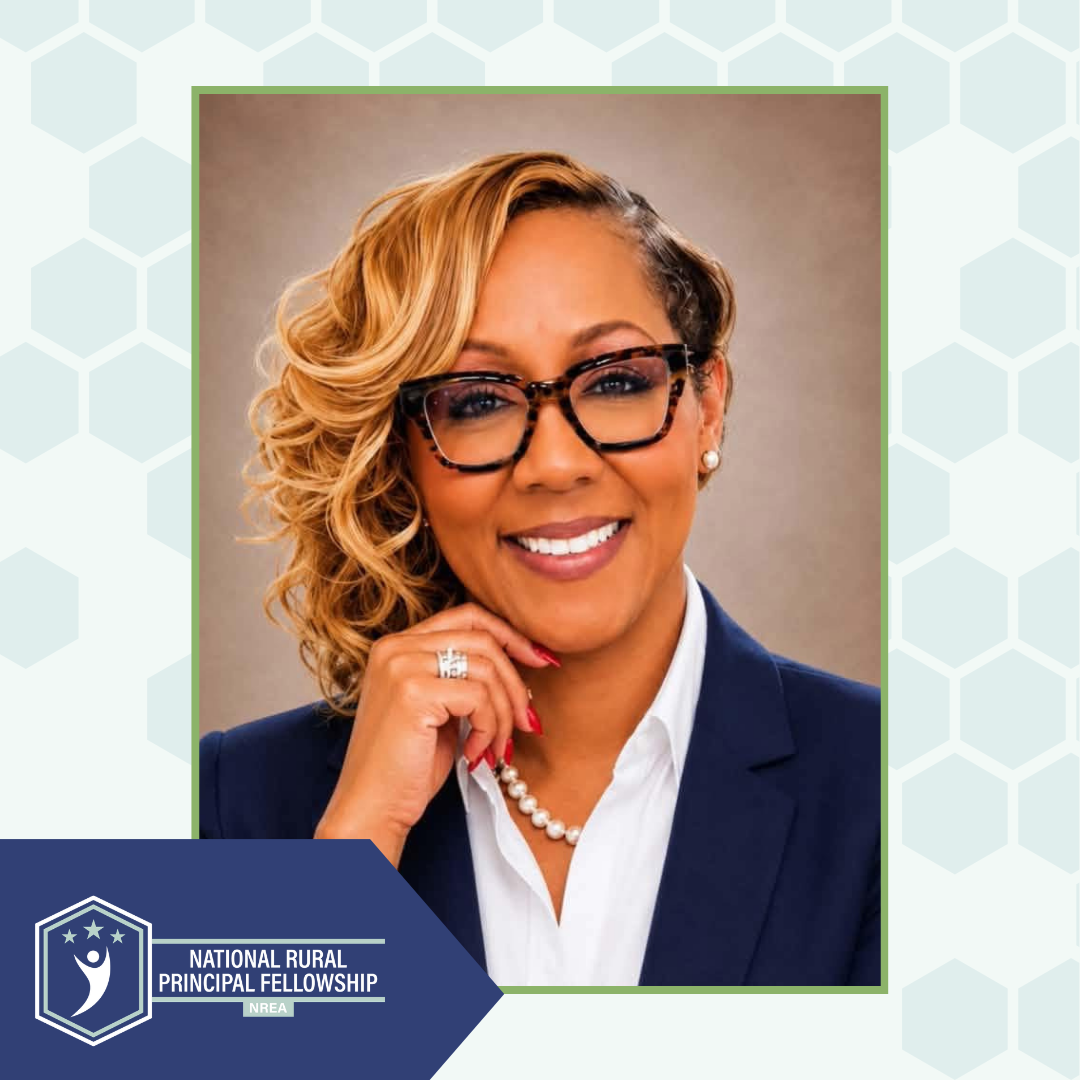
Hollie Walters serves as Principal of Dooly County K–8 Academy in Pinehurst, Georgia, where she leads an educational community spanning elementary and middle school grade levels. An experienced rural administrator with a proven record of driving school turnaround, Hollie approaches leadership through strategic planning, authentic relationship-building, and an unwavering commitment to student achievement. She firmly believes that every child—regardless of zip code—deserves access to an exceptional, opportunity-rich education.
Under her leadership this school year, Dooly County K–8 Academy is prioritizing high-quality Tier I instruction and data-informed practices across foundational literacy and mathematics. Hollie is also spearheading a comprehensive career awareness initiative that connects elementary and middle school students with regional business leaders and community organizations, sparking early aspirations and helping students envision futures filled with possibility. In addition, she is deeply focused on expanding attendance initiatives and cultivating teacher leaders who can sustain academic momentum schoolwide.
Lindsey Williams serves as Principal of Ashe County Early College High School in West Jefferson, North Carolina, serving students in grades 9 through 12, as well as super seniors completing dual-enrollment Associate Degrees. Having worked across elementary, middle, high school, and collegiate environments, Lindsey brings a comprehensive, P–16 perspective to secondary education, grounded in collaboration, systems thinking, and innovative problem-solving.
This school year, Lindsey is transforming learning into a connected, student-driven experience. She is rolling out the Global Leaders framework across the school, featuring career-focused HUBs that link student passions with real-world community challenges and local industry partners. Her campus is also implementing student-led conferences and digital portfolios to instill greater student ownership over academic growth. Operationally, Lindsey is dedicated to building sustainable, distributed leadership structures that empower staff and collegiate partners, while expanding seated course pathways with the local community college.
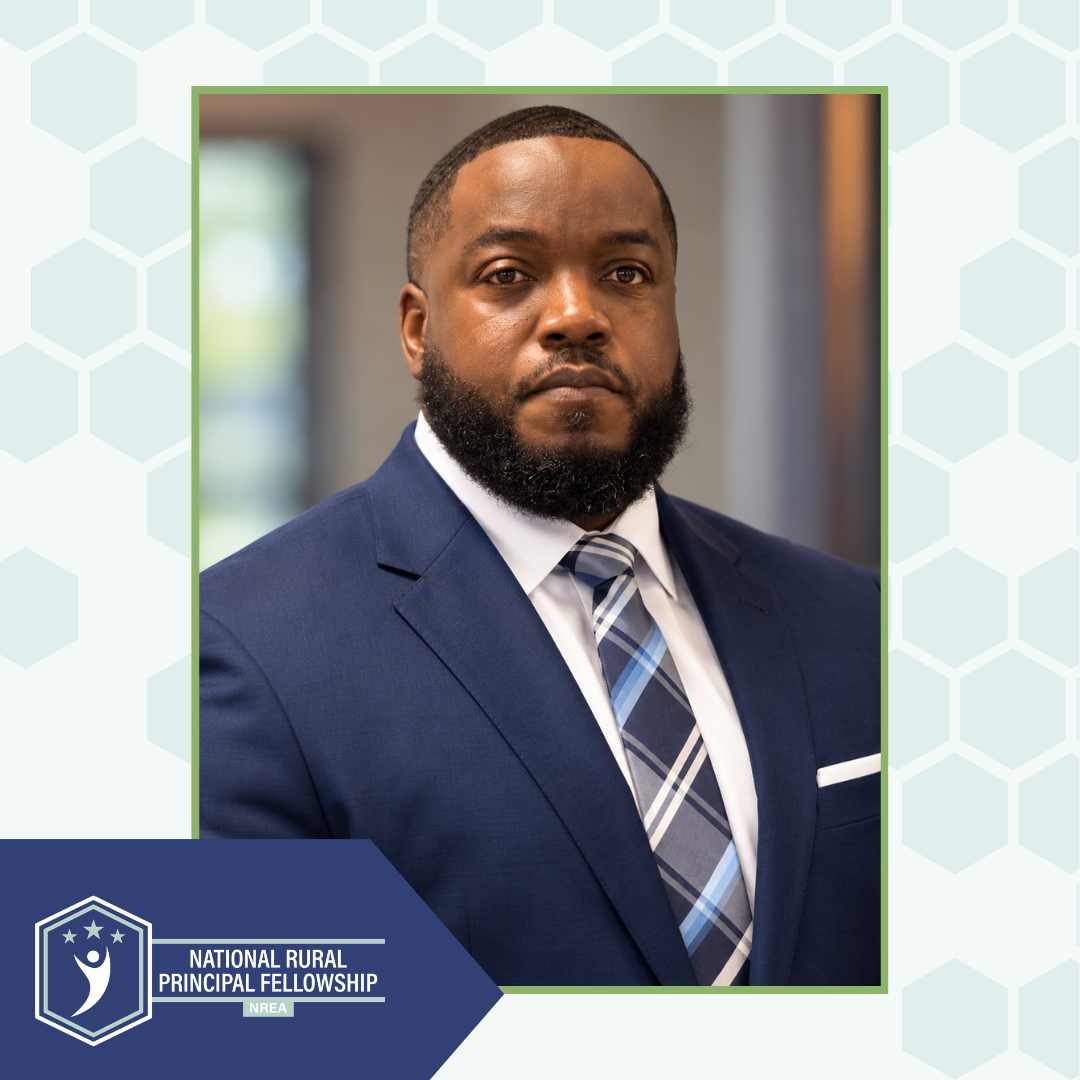
Dr. Frank Woods III serves as the Principal of Yazoo County Middle School in Yazoo City, Mississippi. Drawing from a diverse professional journey encompassing roles as a classroom science teacher, athletic coach, assistant principal, and school executive in a rural Title I environment, Dr. Woods leads with high expectations, strategic discipline, and genuine compassion. He believes that strong interpersonal relationships are the bedrock of lasting educational transformation.
Under the schoolwide rallying cry “Making Waves. Growing Leaders,” Dr. Woods is leading an intentional drive to increase proficiency and growth in English Language Arts, Mathematics, and Science, with dedicated interventions for historically underserved student populations. In tandem with academic gains, he is establishing a campus-wide culture of shared accountability, empowering students to take pride in their learning and mentoring teachers to step into broader administrative and pedagogical leadership roles. His ultimate goal is to elevate his school’s performance rating while developing resilient operational systems that endure well into the future.